
Meta Description: Winterizing an RV that you live in at Lake Point RV Resort in Valley View, TX is essential for full-time RVers. Learn how to stay warm, protect your hookups, and live comfortably during North Texas winters.
Living full time in an RV at Lake Point RV Resort in Valley View, Texas offers peace, space, and natural beauty—but when winter arrives in North Texas, preparation matters. While winters here are usually mild, sudden cold snaps and freezing temperatures can arrive quickly. That’s why winterizing an RV that you live in is critical, even if you don’t plan to leave your site.
This guide is written specifically for full-time RV residents at Lake Point RV Resort, using real conditions and practical solutions that allow you to stay comfortable all winter long.
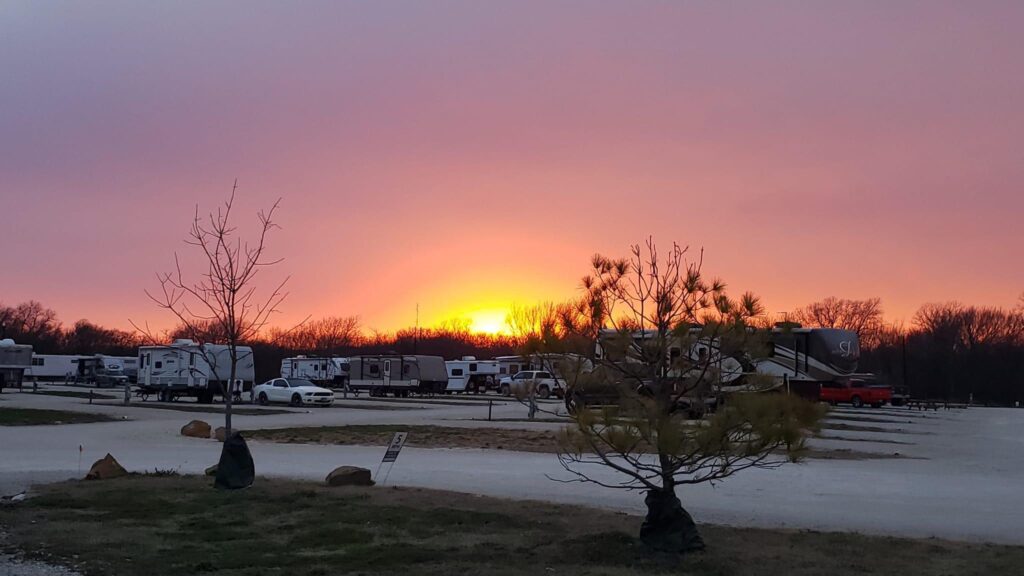
Living Full Time at Lake Point RV Resort in Valley View, TX
Lake Point RV Resort offers spacious full-hookup sites, quiet surroundings, and a relaxed atmosphere near Lake Ray Roberts. With room between sites and year-round access to utilities, it’s an ideal location for long-term and full-time RV living.
However, North Texas weather can change fast. A warm afternoon can turn into a freezing night, making winter preparation essential for protecting your RV systems and maintaining daily comfort.
Why Winterizing an RV That You Live In Matters in North Texas
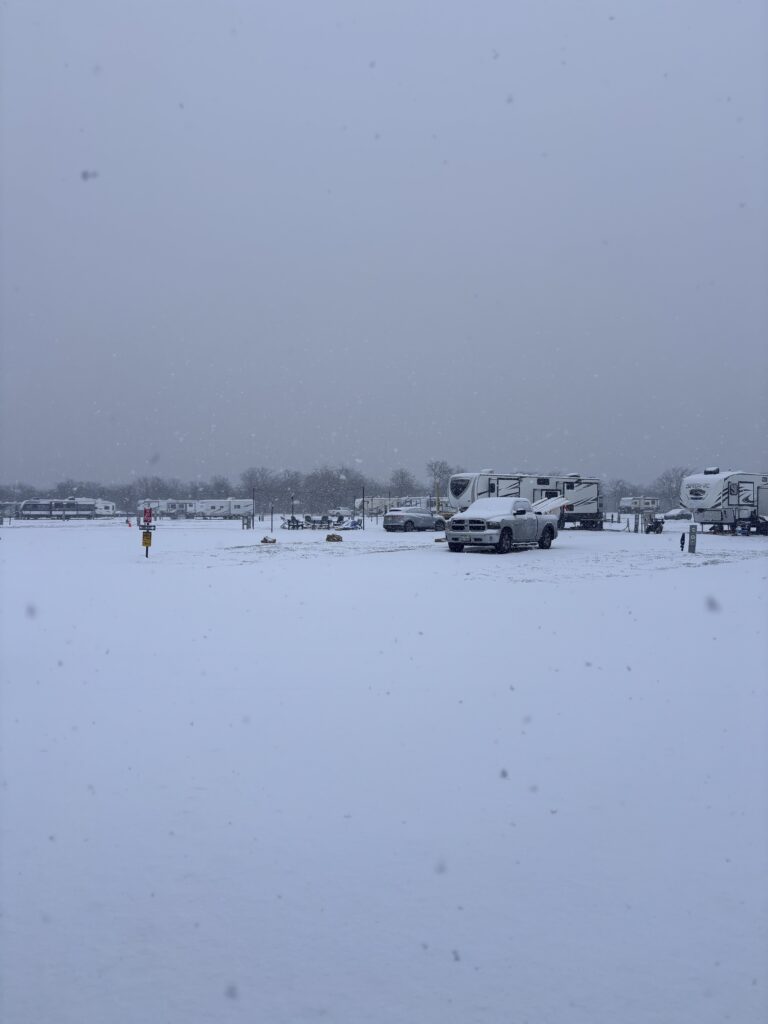
Many people assume Texas winters aren’t serious, but full-time RVers know that even a short freeze can cause major problems.
Cold weather can:
- Freeze water lines
- Crack fittings
- Damage sewer hoses
- Interrupt daily living
Because Lake Point RV Resort remains open year-round, most residents keep their systems running. Instead of draining everything, winterizing becomes about protecting and adapting your RV for cold weather.
Protecting Your RV Water System While Living Full Time
Your water system is the most vulnerable part of your RV during winter.
Best practices include:
- Using a heated drinking-water hose
- Insulating the campground spigot
- Wrapping exposed pipes with foam insulation
- Leaving cabinet doors open inside during cold nights
These steps allow you to keep running water while reducing the risk of frozen or burst lines.
Skirting Your RV for Cold-Weather Protection
Skirting helps trap warm air under your RV and protects tanks, valves, and plumbing from cold air and wind.
Common skirting options include:
- Foam board insulation
- Vinyl skirting panels
- Insulated RV skirting kits
Even in North Texas, skirting can raise under-RV temperatures by 10 to 20 degrees, making a big difference during overnight freezes.
Heating Options for Full-Time RV Living
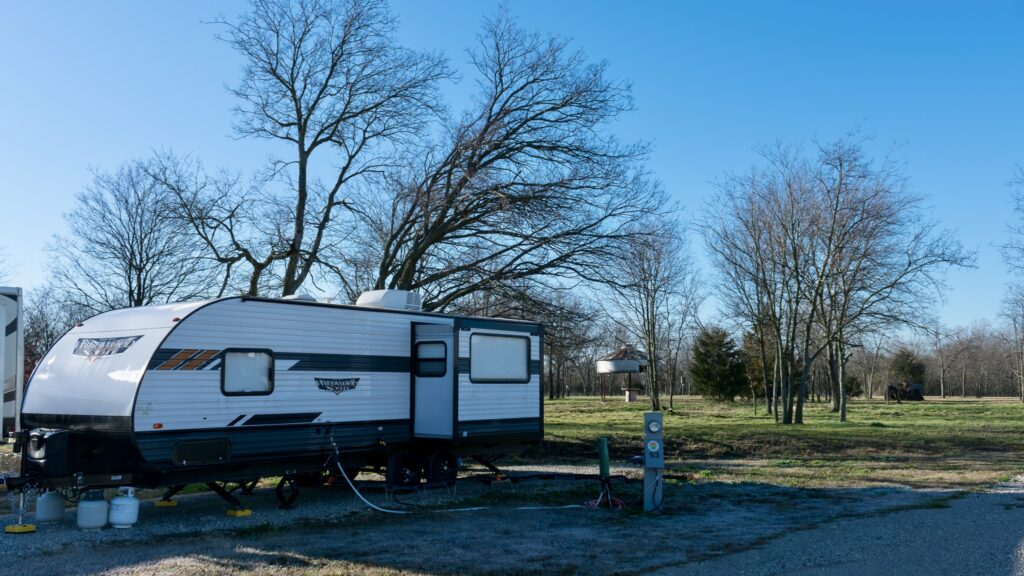
Most full-time residents use a combination of heating sources rather than relying on just one.
RV Furnace
- Helps keep underbelly tanks warm
- Uses propane
- Essential during freezing temperatures
Electric Space Heaters
- Cost-effective when electricity is included
- Quiet and efficient
- Best used on separate circuits
Using both together helps maintain warmth without overloading power or using excessive propane.
Managing Condensation Inside Your RV
Warm air inside your RV meets cold surfaces during winter, creating condensation that can lead to mold and moisture damage.
To control condensation:
- Use a small dehumidifier
- Crack a roof vent slightly for airflow
- Wipe down windows and frames daily
- Use moisture absorbers in closets and cabinets
Managing moisture is an important but often overlooked part of winterizing an RV you live in.
Insulating Windows, Doors, and Roof Vents
Windows and vents are major sources of heat loss.
Simple insulation upgrades include:
- Reflectix or insulated window inserts
- Thermal or blackout curtains
- Roof vent cushions
- Draft blockers for doors
These small improvements help retain heat and keep your RV comfortable through cold nights.
Electrical Safety During Winter at Lake Point RV Resort
To safely manage winter power usage:
- Know whether your site is 30 or 50 amp service
- Avoid running multiple heaters on one circuit
- Use surge protection
- Inspect extension cords for cold-weather wear
Responsible power use helps protect both your RV and campground electrical systems.
Common Winterizing Mistakes to Avoid
- Leaving sewer hoses exposed
- Forgetting to insulate the water spigot
- Relying on space heaters alone
- Ignoring condensation buildup
Avoiding these mistakes can save you from costly repairs and unnecessary stress.
Frequently Asked Questions
Do I need to fully winterize my RV if I live in it full time?
No. Full-time RVers adapt their systems rather than draining them completely.
Does Lake Point RV Resort stay open during winter?
Yes. The resort operates year-round with full hookups available.
Should I skirt my RV in North Texas?
Yes, especially during extended cold snaps.
What temperature should I keep my RV during winter?
Keep it above 55°F when temperatures drop below freezing.
Are heated water hoses really necessary?
Yes. Heated hoses are one of the best protections against frozen water lines.
Is Lake Point RV Resort suitable for long-term winter stays?
Yes. Spacious sites, full hookups, and a quiet setting make winter RV living comfortable.
Conclusion: Comfortable Winter RV Living at Lake Point RV Resort
Winterizing an RV that you live in doesn’t mean giving up comfort. At Lake Point RV Resort in Valley View, TX, full-time residents can enjoy winter safely and comfortably with the right preparation.
By protecting your water system, managing heat, insulating key areas, and controlling moisture, winter becomes just another peaceful season to enjoy life at Lake Point.